Fresh Water
Fresh water is a scarce global resource.
Oceans, lakes, streams and rivers contain 98% or Earth's water. The remaining 2% is in the soil, the atmosphere, the bodies of living organisms or frozen in glaciers and ice caps. Only a tiny percentage is readily available as fresh drinking water. As our population expands and our demand continues to increase, we could face water shortages on a global scale.
Here is a link to a fascinating YouTube article on the impact of human activity and climate change on the planet's water systems.
Water availability is already considered by the UN to be a major issue for the 21st century, and water resources a likely source of international conflict.
Harvested rainwater can be used for a variety of purposes. It is ideal for flushing toilets, laundry and watering gardens. Commercially, rainwater can be fit for many other uses, including cooling, wash-down and irrigation.
In the UK extraction of water from rivers and underground aquifers is causing severe environmental problems. In addition, runoff from roofs and other sealed surfaces during heavy rain contributes to flash-flooding in high risk areas.
Clean Rainwater
The concept of collecting and using rainwater is hardly new; it certainly dates back to Roman times and probably before. What has changed now, as with most other aspects of life, is the technology available to implement it.
In particular this relates to filtration, which we believe to be the most important part of any good system; if the water is cleaned as much as possible prior to being stored, then it is least likely to lead to any problems.
Water that is unfiltered can deteriorate, particularly if there is significant organic matter present as this will ‘strip out’ the oxygen from the water. As a result the water can become stagnant, discoloured or malodorous.
Where water is required for use within toilet cisterns, washing machines or industrial processes it needs to be as clean as possible and not be unpleasant to use. Careful design is therefore very important.
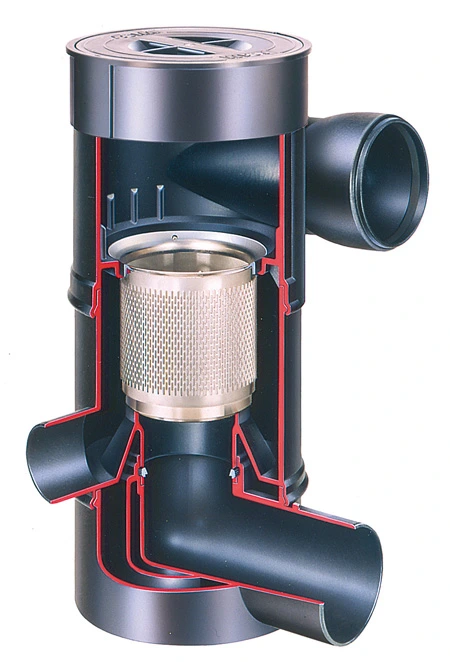
1. Filtration
Thanks to the Self-cleaning fine filtration of the WISY® Vortex filter, filtered water is in clean, and highly-oxygenated. This is an important factor in inhibiting the growth of anaerobic bacteria.
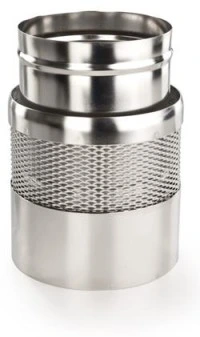
2. Sedimentation
The WISY® calmed inlet allows water to enter at the base of the tank with minimum turbulence, whilst adding oxygen. Very fine sediments then quickly settle to the bottom of the tank.
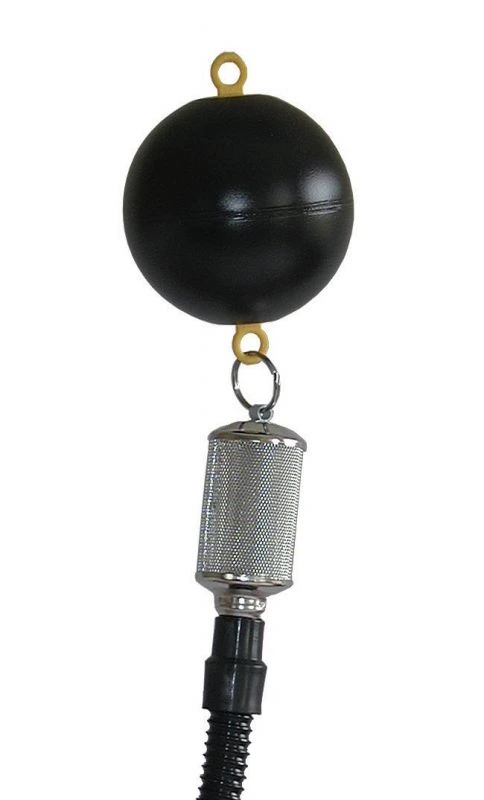
3. Floating Extraction
WISY® floating suction filter. The ball float enables the water to be extracted from the cleanest part of the tank; just below the surface, whilst avoiding any floating particles.
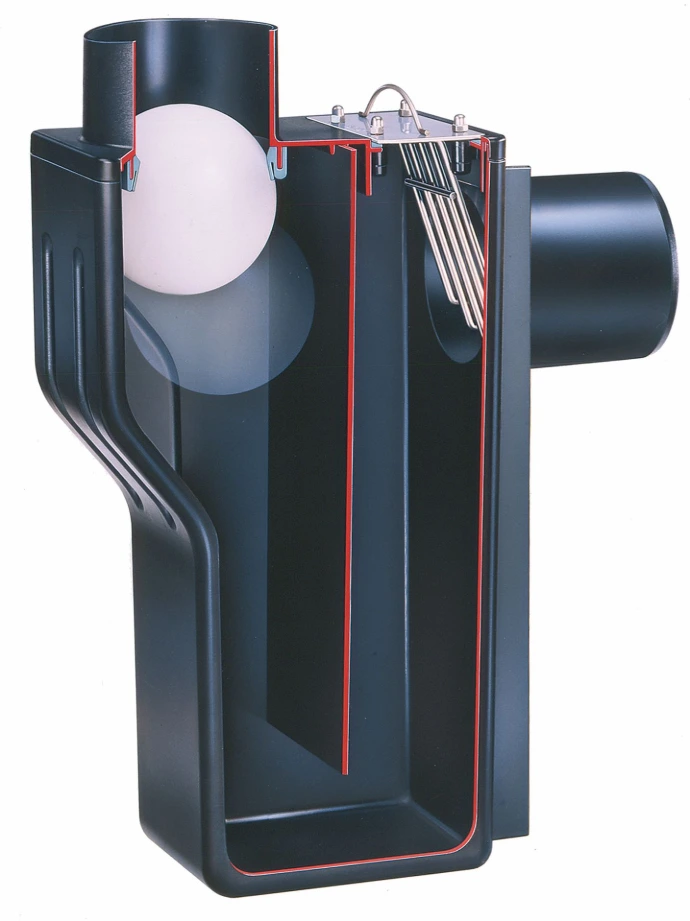
4. Surface Skimming
The WISY® overflow unit removes surface debris, supports oxygen exchange and provides odour sealing and backflow protection for full BS 8515 compliance.